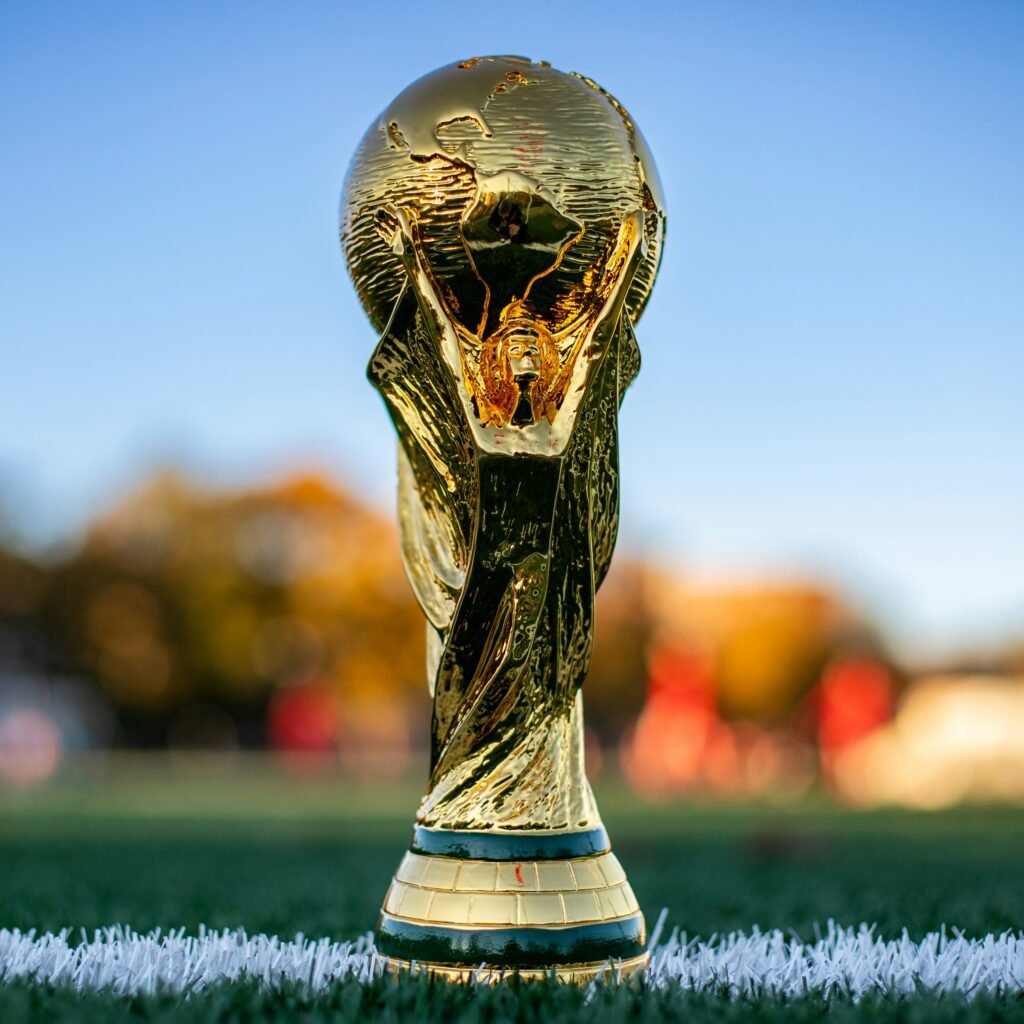
FIFA World Cup 2030: Morocco, Portugal and Spain to Host the Historic Centennial Tournament as Argentina, Paraguay and Uruguay Celebrate 100 Years of World Cup Football

FIFA World Cup 2030

There has always been more to the FIFA World Cup than just a football competition. Every four years, billions of fans come together to celebrate culture, unity, passion, and sporting brilliance on a worldwide scale. Football fans are already focusing on the historic FIFA World Cup 2030, a competition unlike any other, as they look beyond the triumphant FIFA World Cup 2026.

The FIFA World Cup will celebrate its 100th anniversary (centenary) in 2030, one hundred years after its first competition took place in Uruguay in 1930. FIFA authorized a special hosting agreement spanning three continents and six nations to commemorate this outstanding milestone.

To commemorate South America’s historic contribution to world football, Argentina, Paraguay, and Uruguay will each host one opening match, while Morocco, Portugal, and Spain will jointly host the main competition. Four years later, Saudi Arabia will host the FIFA World Cup 2034, making it the second Middle Eastern country to hold the biggest football competition.

A Significant Choice for the 2030 FIFA World Cup.
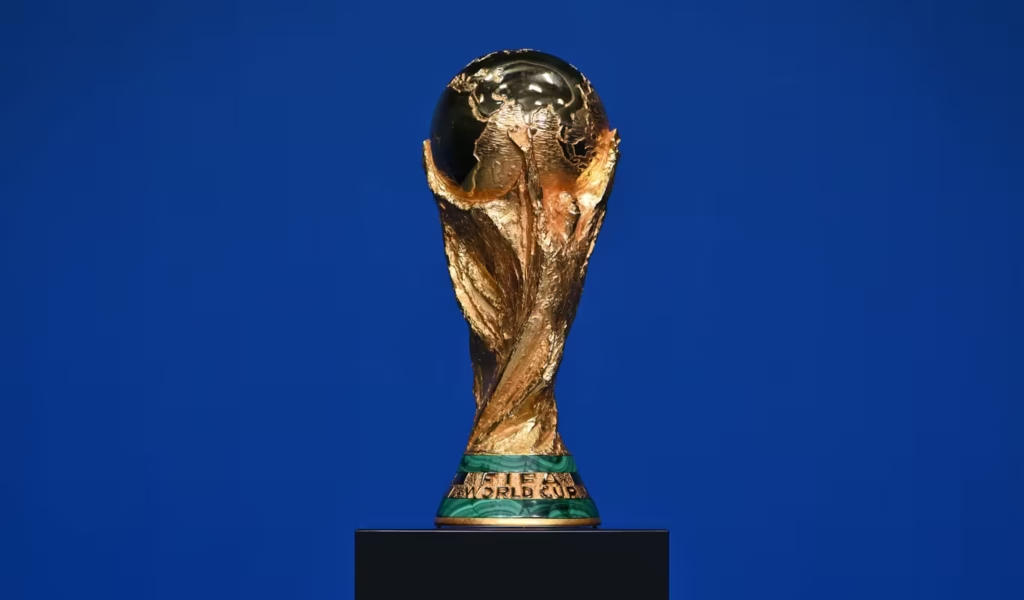
FIFA World Cup Trophy 2030

FIFA formally announced in December 2024 that Morocco, Portugal, and Spain would co-host the 2030 FIFA World Cup. Click here to explore more information. FIFA’s goal of uniting continents while honoring football’s rich past is reflected in the decision.

In contrast to past World Cups, the competition will start in South America and then proceed to Europe and Africa for the duration of the competition. This unique format embraces the global scope of the game while acknowledging the origin of World Cup football.

The inaugural festivities will begin in:

Uruguay, Argentina, and Paraguay and each country will host one official FIFA World Cup opening match.

Before all participating countries go to Morocco, Portugal, and Spain to play the rest of the tournament, including the knockout stages and final. 

Uruguay: The Origin of the World Cup.
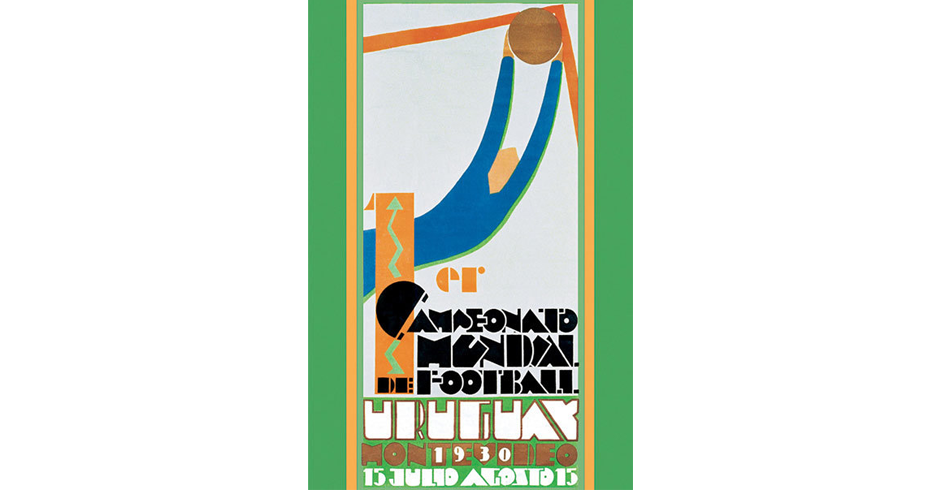
fifa world cup 1930

Uruguay was the first nation to host the FIFA World Cup in 1930, marking the beginning of the tournament’s history.

In the first competition, just thirteen national teams took part. It set the stage for what would grow to be the biggest sporting event in the world, while being far smaller than today’s enlarged competitions.

Uruguay defeated Argentina 4-2 in the final at the legendary Estadio Centenario in Montevideo to become the first-ever FIFA World Cup champions.

Uruguay will host one of the opening games of the FIFA World Cup 2030, welcoming the football world once more exactly one hundred years later. To explore more information ; click here

A new generation of supporters can celebrate where the World Cup adventure started thanks to the symbolic return to Uruguay, which recognizes the nation’s invaluable contribution to football history.

Paraguay and Argentina Take Part in the Centennial Celebration.

Argentina and Paraguay will each host one opening game in addition to Uruguay.

Argentina has been a key player in the history of the FIFA World Cup. It was among the finalists in the first competition in 1930 and has since grown to become one of the finest countries in football, producing legends like Lionel Messi and Diego Maradona and winning numerous World Cups.

Argentina has another chance to highlight its football history and fervent supporters by hosting one of the opening games.

Despite never having hosted a FIFA World Cup, Paraguay has consistently participated in international football and made a substantial contribution to the growth of South American football. Paraguay’s inclusion underscores its significance in international football administration, as it is home to CONMEBOL headquarters. 

Before transferring the competition to the three designated host countries, Uruguay, Argentina, and Paraguay will jointly commemorate South America’s lasting legacy.

Morocco Creates Football History in Africa(Fifa world cup 2030).

Morocco’s participation as one of the official hosts of the FIFA World Cup 2030 is one of its most remarkable narratives.

After South Africa hosted the FIFA World Cup in 2010, Morocco is now only the second nation in Africa to do so.

After multiple fruitless attempts, Morocco’s long-standing goal to host the largest football championship in the world has been rewarded with the selection.

Over the past ten years, Morocco’s football infrastructure has significantly improved, with state-of-the-art stadiums, high-speed transit, modernized airports, and first-rate lodging prepared to host millions of tourists.

Morocco’s international football reputation was further enhanced by its outstanding performance in the FIFA World Cup Qatar 2022, where it became the first African side to get to the semi-finals.

Spain Will Host the World Cup Again.

After successfully hosting the FIFA World Cup in 1982, Spain will host the competition for the second time.

With globally recognized teams, state-of-the-art stadiums, and first-rate football facilities, Spanish football has grown to be among the best in the world.

Madrid, Barcelona, Seville, Bilbao, Valencia, and other cities are anticipated to play significant roles during the competition.

Spain is a perfect co-host due to its expertise hosting big sporting events, such as the UEFA European Championships, the UEFA Champions League finals, and many international championships.

The success of the event will be greatly aided by its first-rate transportation systems, hospitality sector, and football culture.

Portugal Will Host the World Cup for the First Time(Fifa world cup 2030).

Portugal has never held a FIFA World Cup, despite hosting UEFA Euro 2004.

That past is altered by the 2030 competition.

Portugal has made significant investments in state-of-the-art stadiums, such as those that frequently host European football finals in Lisbon and Porto.

With players like Cristiano Ronaldo and numerous more international stars, the nation has come to be associated with football greatness.

Due to their close proximity, first-rate infrastructure, and mutual love of football, sharing hosting responsibilities with neighboring Spain fosters a natural cooperation.

For both players and fans, Portugal’s first World Cup as a host country is sure to be an unforgettable event.

One Tournament, Three Continents.

The FIFA World Cup 2030 will be the first competition in history to take place in South America, Europe, and Africa.

This unique style represents football’s capacity to bring people together regardless of location, language, or culture.

Throughout the tournament, fans will encounter a variety of customs, foods, temperatures, and football environments.

The competition will provide an incredible worldwide experience, from Montevideo’s rich football history to Morocco’s dynamic culture and Spain and Portugal’s well-known football cities.

Financial Gains for the Host Countries.

There are a lot of business prospects when the FIFA World Cup is hosted.

It is anticipated that the six participating host nations will gain from:

A rise in foreign travel
Development of infrastructure
Growth in hotels and hospitality
creation of jobs
Better modes of transportation
Opportunities for international investment
Increased visibility abroad

During the competition, millions of football fans are anticipated to travel across several nations, generating significant revenue for regional companies and the travel and tourist sector.

Through better public infrastructure and greater international reputation, the long-term legacy frequently goes far beyond the competition.

Honoring 100 Years of Outstanding Football.

FIFA has a chance to consider a century of incredible football history at the centennial celebration.

The FIFA World Cup has grown from Uruguay’s small 13-team competition in 1930 to the current 48-team competition, becoming the most watched athletic event on the planet.

Football has created memorable moments during the last century:

Brazil’s historic World Cup victories.
Pele’s remarkable accomplishments.
Diego Maradona’s genius.
The leadership of Zinedine Zidane.
The goals scored by Ronaldo Nazário.
Lionel Messi’s longtime desire comes true.
Numerous memorable goals, saves, and thrilling finishes.

In addition to honoring these memories, the 2030 competition will make new ones for coming generations.

2034 FIFA World Cup will be held in Saudi Arabia.

FIFA has granted Saudi Arabia the 2034 FIFA World Cup after the historic centennial competition.

The choice represents yet another turning point in football’s ongoing regional growth.

As part of its national transformation agenda, Saudi Arabia has made large investments in football development, sports infrastructure, tourism, and entertainment.

It is anticipated that the competition will include brand-new stadiums, cutting-edge transit, state-of-the-art technology, and environmentally friendly athletic facilities.

Following Qatar’s successful hosting of the 2022 FIFA World Cup, Saudi Arabia is now the second Middle Eastern nation to host the competition.

It is anticipated that the 2034 edition will introduce millions of tourists to Saudi culture and hospitality while showcasing the region’s ongoing dedication to international football.

Considering the Future.

One of the most significant competitions in football history will be the FIFA World Cup 2030. Through its hosts in Africa and Europe, it embraces the contemporary, worldwide aspect of the sport while paying tribute to the competition’s South American roots.

Exactly one hundred years after hosting the first World Cup, Uruguay has returned to the spotlight, symbolizing the long-lasting impact of football’s oldest international competition. As Morocco, Portugal, and Spain are ready to host the main competition with top-notch facilities and infrastructure, Argentina and Paraguay add even more significance by participating in the centennial celebrations.

Four years later, Saudi Arabia will host the FIFA World Cup in 2034, demonstrating FIFA’s dedication to bringing football to every part of the world.

The World Cup is still much more than just a trophy tournament as it approaches its second century. It is a celebration of history, unity, diversity, and football’s worldwide language. The FIFA World Cup continues to inspire billions of people from Montevideo in 1930 to a six-country celebration in 2030 and the Middle East in 2034, demonstrating that the beautiful game has the ability to unite nations and generations like no other sporting event.

Leave a Comment

Your email address will not be published. Required fields are marked *