The world’s most prestigious football competition is the FIFA World Cup 1930 – 2026. Every four years, the top national teams from across the world compete in this FIFA-organized event. With billions of spectators since its launch in 1930, the competition has developed into the most watched sporting event in the world.
Uruguay hosted the inaugural World Cup in 1930. Since then, the competition has grown to represent national pride, sporting achievement, and global togetherness. The first World Cups were mostly represented by official posters rather than logos, although contemporary competitions have official logos and branding.
With the exception of World War II, the FiFA World Cup has been held every four years since 1930. In addition to providing a picture of branding, graphic design, and typographic trends from 1930 to the present, the logos on display here are an excellent illustration of how a design requirement may be imaginatively interpreted to produce a wide range of final designs.
Fundamentally, a World Cup tournament’s logo must represent the ideals and goals of the sport, highlight the nation hosting the competition through striking font, color, and style, and be visually appealing to a global sports audience.
The World Cup logo design and branding did not really start to take shape until the 1950s; earlier designs were more akin to paintings or promotional posters, however the Brazil 1950 flag sock is a brilliant example. The 1970 World Cup in Mexico is when identity, design, and a distinctive typography start to demonstrate the true potential of a tournament logo. Globes and footballs are frequently utilized as overlapping or interchangeable parts, and in the late 1990s, designs started to incorporate versions of the FIFA World Cup trophy.
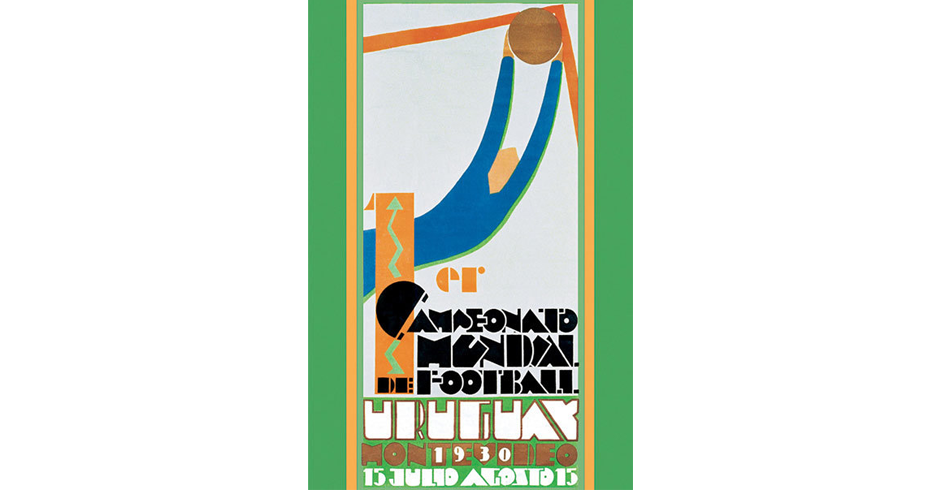
Fifa World Cup 1930 in Uruguay
From July 13 to July 30, 1930, Uruguay hosted the inaugural FIFA World Cup. Uruguay, the host nation, won the competition.
Rather than being a contemporary design, the first World Cup logo was more of an illustrated emblem or promotional poster. Early 20th-century graphical styles were represented in the traditional illustrated typography and iconography.
Uruguay hosted the inaugural FIFA World Cup in 1930.
Uruguay was the winner.
Official identity: A promotional poster with football motifs and a goalkeeper.
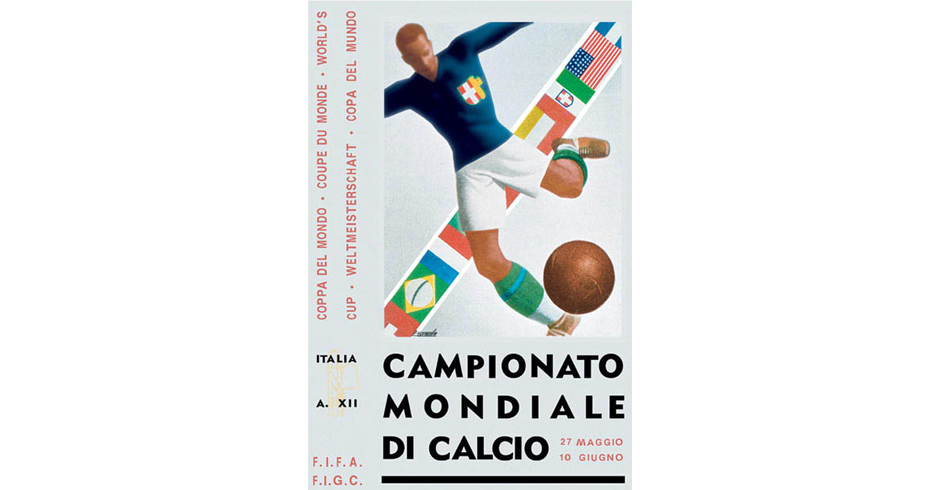
Fifa World Cup 1934 in Italy.
Italy hosted the 1934 FIFA World Cup from May 27 to June 10, 1934. The host Italy emerged victorious in the competition, just like in the last one.
Highlight of the design: Similar to the previous tournament, the design is a poster rather than a logo and is influenced by Art Deco tendencies of the time, combining bold, geometric shapes with a symmetrical figure.
Italy was the winner.
Italy’s national colors and athletic aspirations were reflected in the official poster.
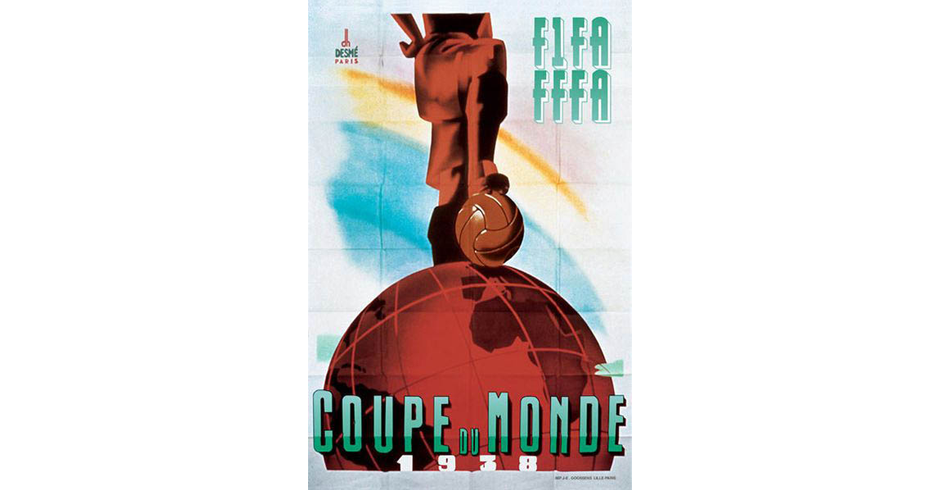
Fifa World Cup 1938 in France.
From July 13 to July 30, 1930, France hosted the 1938 FIFA World Cup. Italy won the competition for the second time.
Once more, the 1938 World Cup is advertised using a poster. This followed early European design movements by fusing national iconography with expressive visuals.
The globe was held by a football player on the poster ; signifying the worldwide appeal of the sport.
FIFA World Cups in 1942 and 1946 were canceled because of World War II.
The FIFA World Cup was originally planned between 1942 and 1946. However, the tragic effects of World War II, one of the bloodiest wars in human history, forced the cancellation of both competitions.
Preparations for the second FIFA World Cup, which was scheduled to take place in 1942, started after the tournament’s triumphant 1938 edition in France. Argentina, Brazil, and Germany are among the nations that have indicated interest in hosting the event. However, international football activities came to an end as World War II broke out in September 1939.
Millions of people were drawn into the fight as it expanded over Europe, Asia, and other regions of the world. Many football players enlisted in their country’s armed forces, stadiums were converted for military use, and travel became quite challenging. Consequently, FIFA formally canceled the 1942 World Cup. The 1946 FIFA World Cup Cancellation
The world was still recuperating from the enormous devastation inflicted by World War II, even though it ended in 1945. Numerous nations experienced severe infrastructural destruction, severe economic hardship, and a high death toll. A worldwide football competition was not feasible due to the disruption of international transportation networks.
FIFA chose not to host the 1946 World Cup as a result of these difficulties. Rather, the restoration of international sporting contacts and the reconstruction of football organizations were the main priorities.
The FIFA World Cup eventually made a comeback in 1950, hosted by Brazil in South America, following a 12-year hiatus. The competition represented hope, solidarity, and rehabilitation in the post-war era and signaled a fresh start for world football.
The only times in FIFA World Cup history when the competition was halted because of a worldwide conflict were the 1942 and 1946 World Cups.
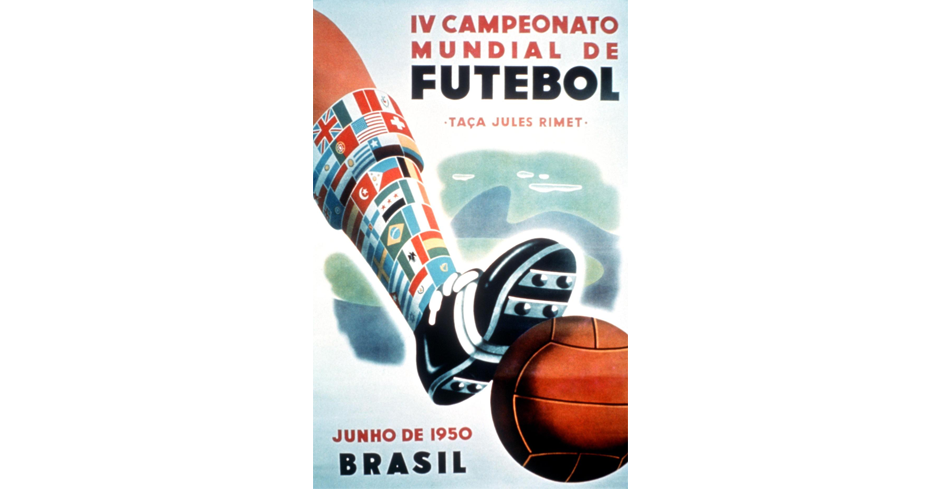
Fifa World Cup 1950 in Brasil.
Brazil hosted the 1950 FIFA World Cup from June 24 to July 16, 1950. Uruguay won the competition for the second time.
An early instance of using national flags to create a cohesive brand element.
Prior to the creation of the current emblem, the last World Cup was mostly represented by an official poster.
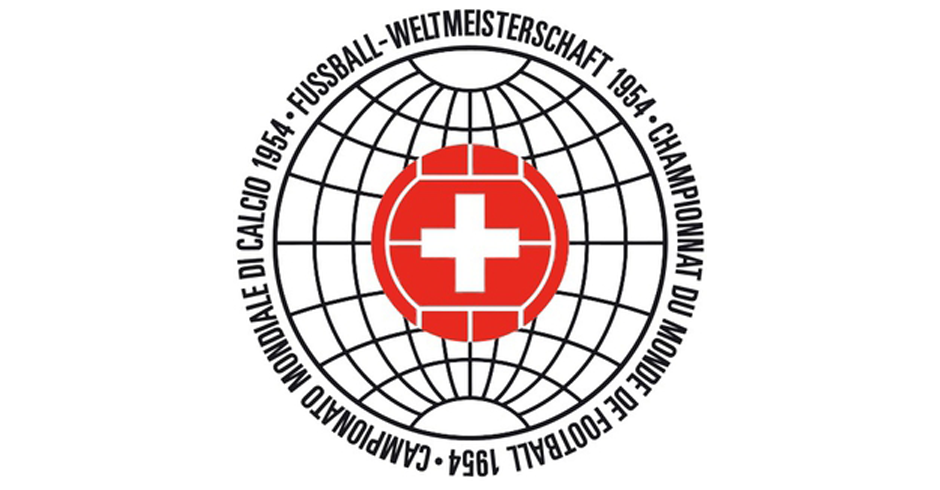
Fifa World Cup 1954 in Switzerland.
Switzerland hosted the 1954 FIFA World Cup from June 16 to July 4. West Germany emerged victorious in the competition.
The World Cup’s first authentic logo. A straightforward graphical football with the Swiss cross superimposed demonstrates minimalism and distinct national identity—a design concept that would continue in subsequent logos. It is also possible to think of the lines that depict the stitching on the leather ball as the lines of a football field.
The official logo of the first World Cup was widely acknowledged.
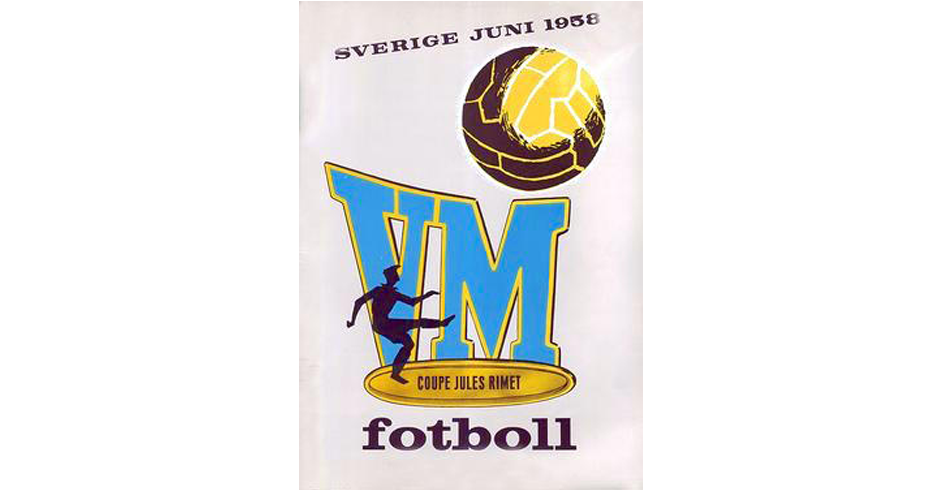
Fifa World Cup 1958 in Sweden.
Champion: Brazil .
The initials “VM” (World Championship) and Scandinavian design motifs were used in the logo.
Sweden hosted the 1958 FIFA World Cup from June 8–29, 1958. Brazil emerged victorious in the competition.
The renowned designer Saul Bass created this design, which emphasized dynamic motion and shapes. The modernist graphic tendencies of the time are reflected in strong, simple shapes.
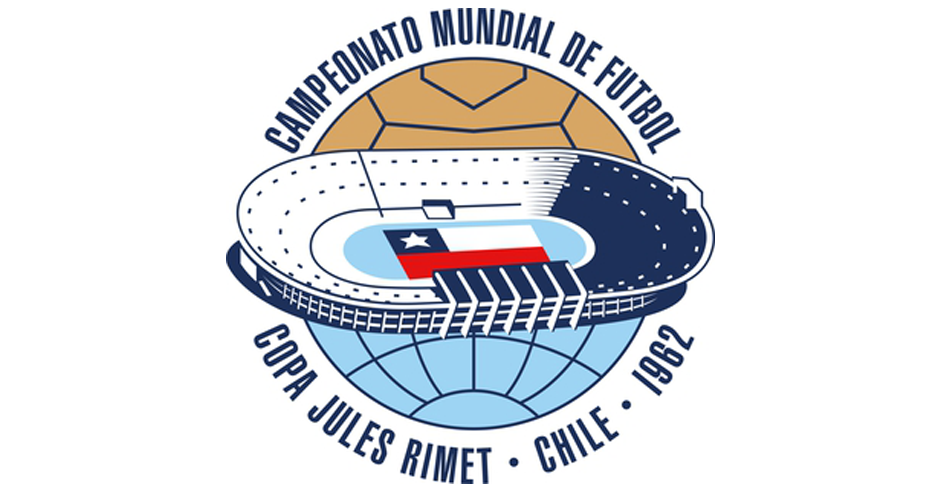
Fifa World Cup 1962 in Chile.
From May 30 to June 17, 1962, Chile hosted the FIFA World Cup. Brazil emerged victorious in the event for the second time.
The logo cleverly incorporates the flag of the host country into a stylized stadium shape that functions as a globe, fusing regional flavor with universal significance.
The logo had images of a stadium, a globe, and a football.
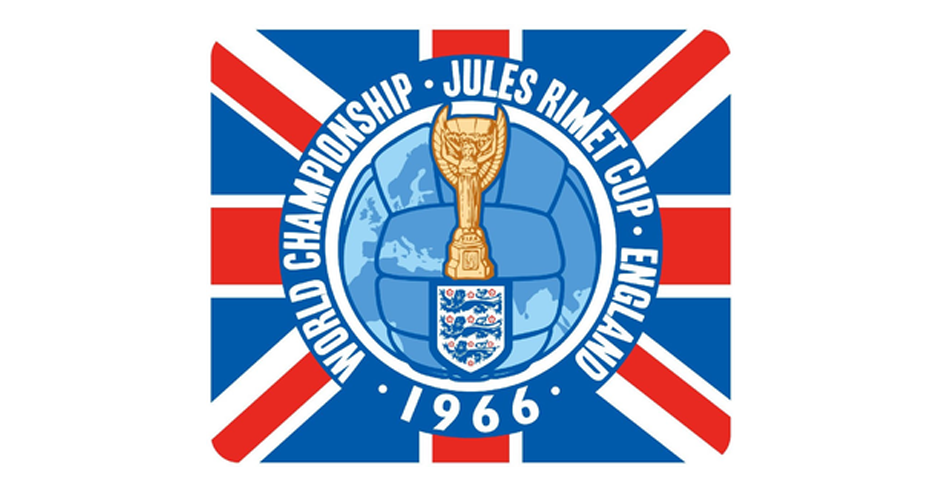
Fifa World Cup 1966 in England.
The 1996 FIFA World Cup was held in England from July 11–30, 1966. The host nation, England, won the competition.
incorporates national color ball motifs and the Jules Rimet trophy.
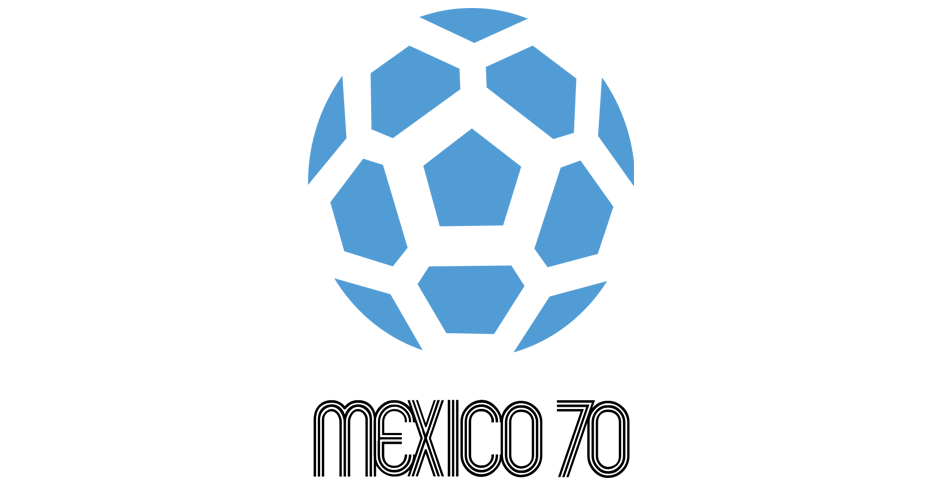
Fifa World Cup 1970 in Mexico.
From May 31 to June 21, 1970, Mexico hosted the FIFA World Cup. Brazil emerged victorious in the competition for the third time.
The design sets the standard for contemporary sports branding by embracing powerful graphic minimalism with maybe the most famous typography.
Among the most recognizable logo designs in tournament history.
The first World Cup to be held outside of South America and Europe.
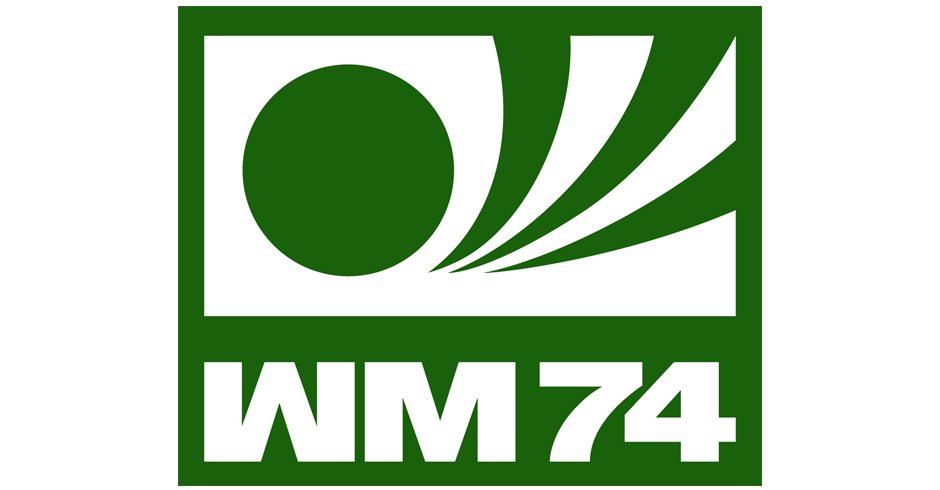
Fifa World Cup 1974 in West Germany.
West Germany hosted the 1974 FIFA World Cup from June 13 to July 7, 1974. West Germany, the host nation, won the competition for the second time.
A defining characteristic of 1970s design was the use of stark, abstract motion motifs to convey movement and energy.
It marked the beginning of the current FIFA World Cup Trophy era.
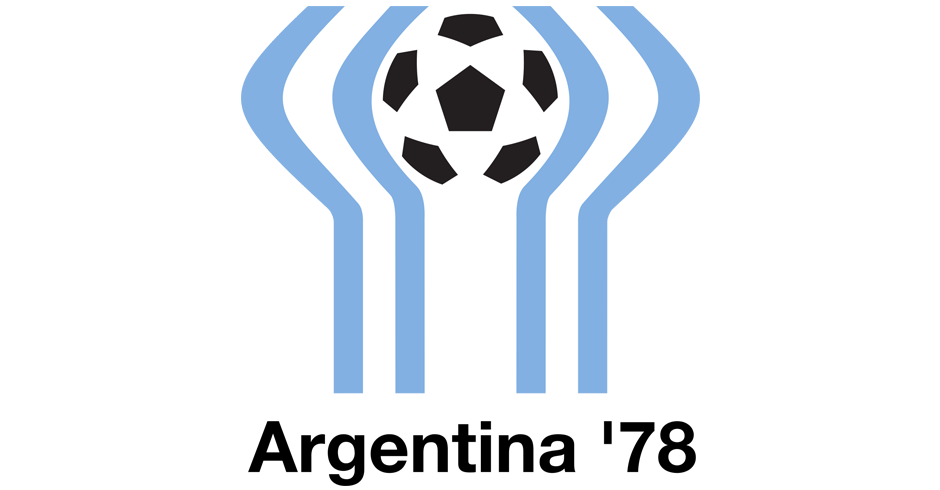
Fifa World Cup 1978 in Argentina.
Argentina hosted the 1978 FIFA World Cup from June 1–25, 1978. Argentina, the host nation, won the competition.
used cupped versions of sweeping national colors to allude to hands or the fervor of a football crowd. Additionally, the design is similar to the new World Cup Trophy that was unveiled at the previous competition. The logo made advantage of contemporary graphic design and inventive negative space.
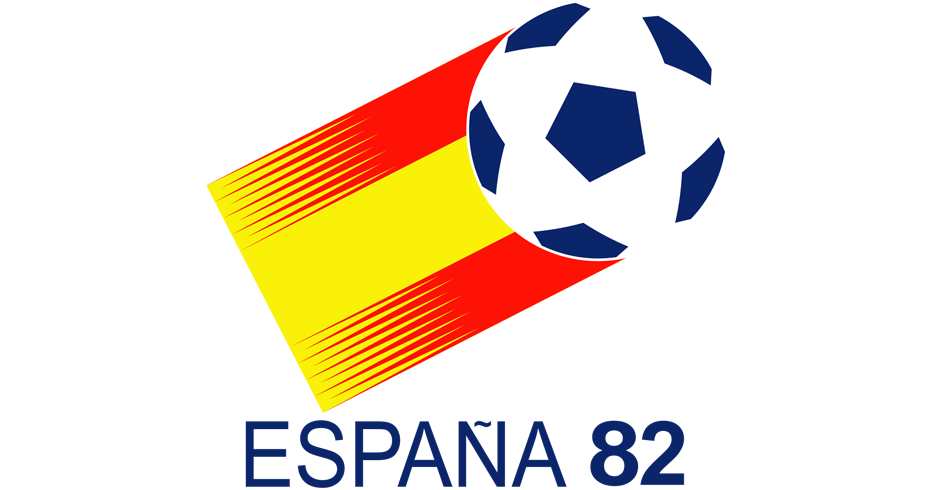
Fifa World Cup 1982 in Spain.
Spain hosted the 1982 FIFA World Cup from June 13 to July 11, 1982. Italy won the competition for the third time.
A football that incorporates the colors of the Spanish flag was a straightforward yet effective form of national branding. Future tornaments would begin to use similar design strategies.
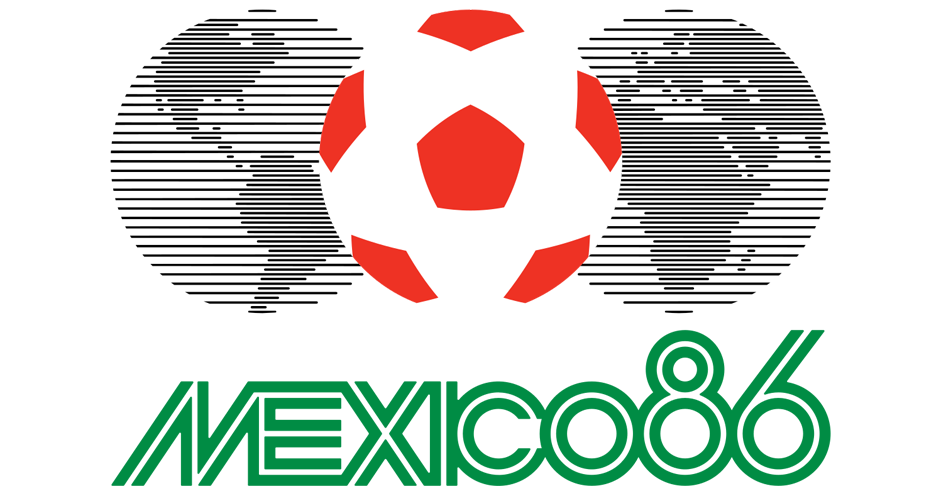
Fifa World Cup 1986 in Mexico.
From May 31 to June 29, 1986, Mexico hosted the FIFA World Cup. Argentina emerged victorious in the event for the second time.
The concept “The World United by Football” was represented by two globes and a ball, which integrate the global and sporty motif through repetitive circular patterns. The classic typeface from the competition in the 1970s has been updated for the present decade. Diego Maradona’s great performances made the tournament memorable.
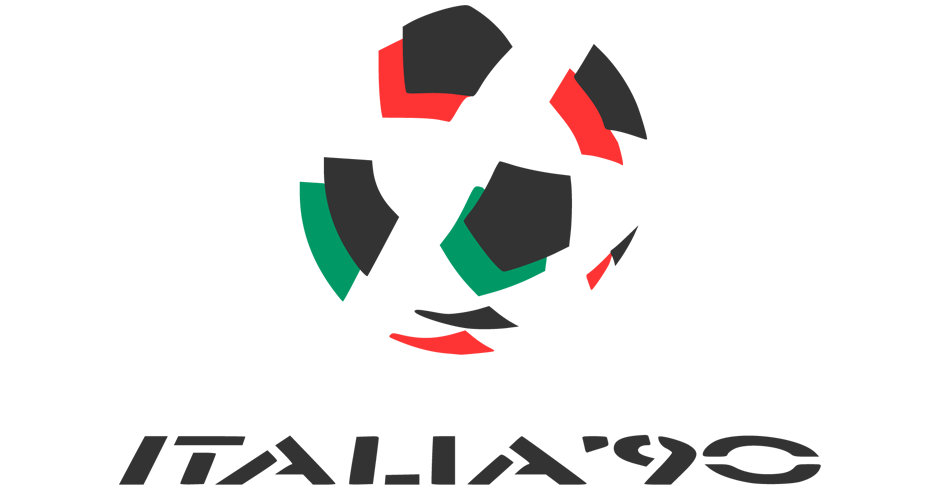
Fifa World Cup 1990 in Italia.
Italy hosted the 1990 FIFA World Cup from June 8 to July 8, 1990. For the third time, West Germany emerged victorious in the competition.
A simple negative-space ball in the colors of the Italian flag highlights national identity and simplicity. Additionally, it started a series of designs that blend a football graphic with the host flag throughout the next few tournaments.
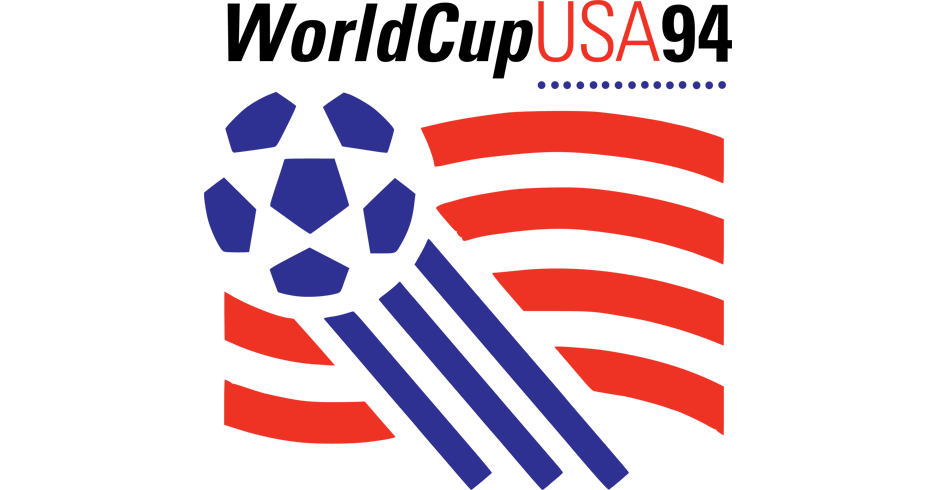
Fifa World Cup 1994 in USA.
The United States hosted the 1994 FIFA World Cup from June 17 to July 17, 1994. Brazil won the competition for the fourth time.
A ball was incorporated into the American flag. The design deftly combined a football, movement, and goal netting with identifiable flag components. However, the design was brought down by the usage of different type weights, styles, and colors. The most lucrative World Cup in history.
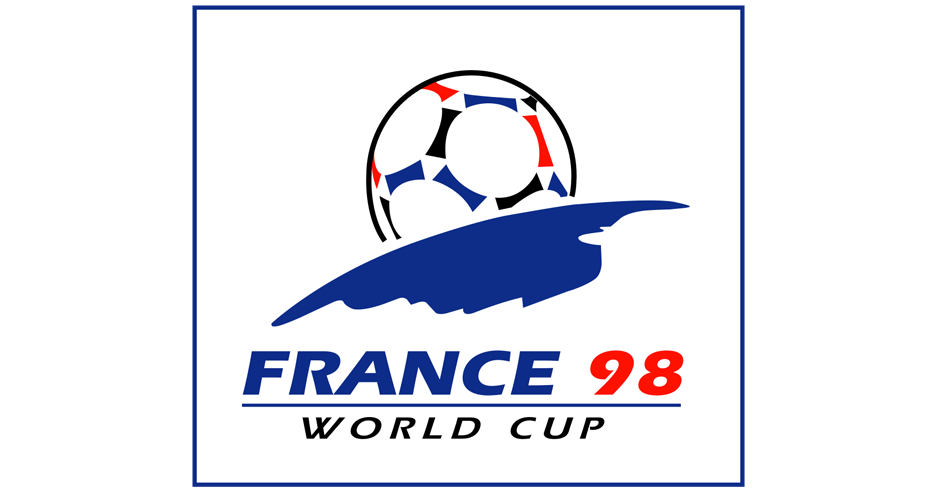
Fifa World Cup 1998 in France.
From June 10 to July 12, 1998, France hosted the FIFA World Cup. The host nation, France, won the competition.
The rising sun effect was evoked by a football rising over the global horizon, and national colors were used to convey hope and pride. 32 teams competed in the first World Cup.
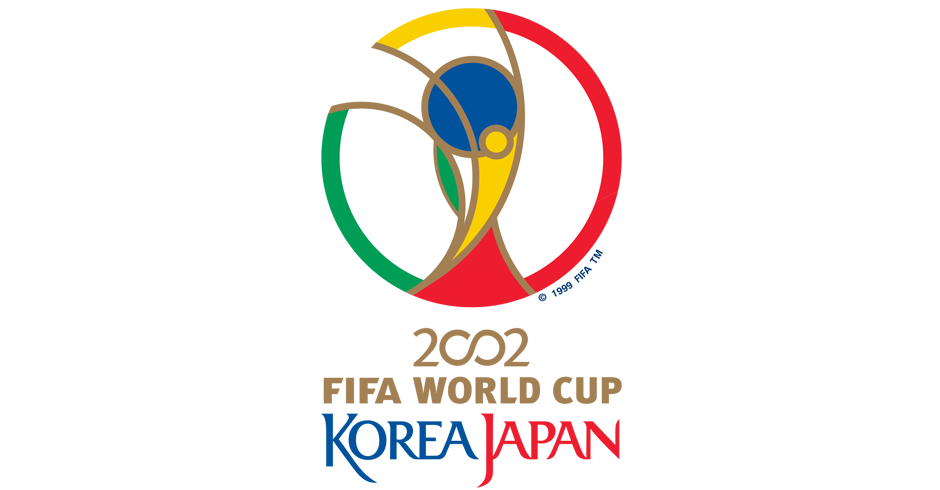
Fifa World Cup 2002 in Korea & Japan.
From May 31 to June 30, 2002, South Korea and Japan hosted the FIFA World Cup. Brazil won the competition for the fifth time.
The idea of co-hosting and intercultural harmony was symbolized with a stylized World Cup trophy and shaped with a unity theme. Going on, the trophy played a significant role in all tournament logo designs. Two countries hosted the World Cup for the first time.
Asia hosted its first World Cup.
The World Cup Trophy was prominently displayed in the logo.
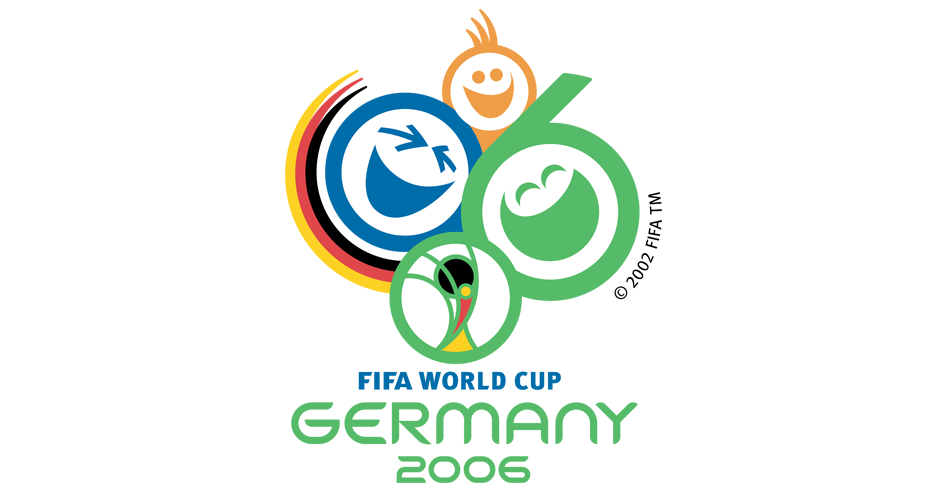
Fifa World Cup 2006 in Germany.
From June 9 to July 9, 2006, Germany hosted the FIFA World Cup. Italy won the competition for the fourth time.
The branding had a pleasant, human vibe thanks to cheerful images and smiling themes. The logo was called “Celebrating Faces of Football.”
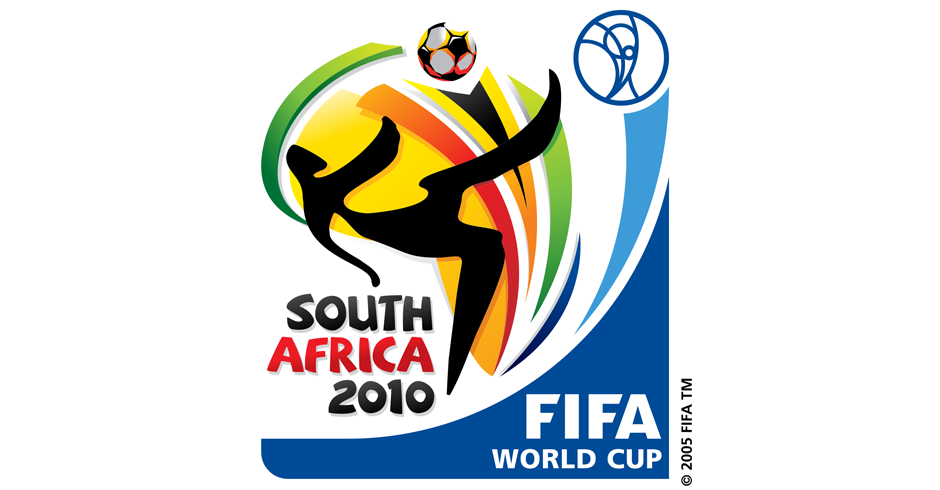
Fifa World Cup 2010 in South Africa.
From June 11 to July 11, 2010, South Africa hosted the FIFA World Cup. Spain emerged victorious in the competition.
Movement and cultural color were captured by a vibrant figure doing an overhead kick made of dramatic swooshes. Africa hosted its first World Cup.
A bicycle kick was performed by a player in the logo.
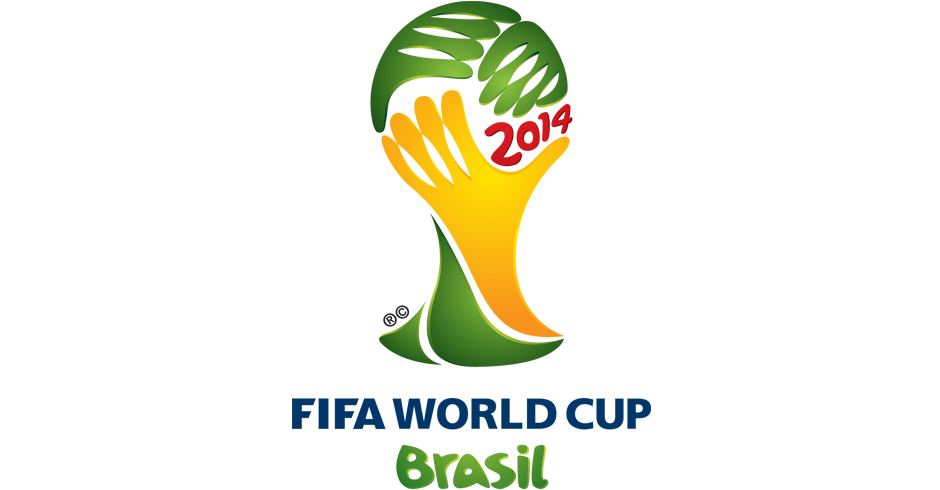
Fifa World Cup 2014 in Brasil.
From June 12 to July 13, 2014, Brazil hosted the FIFA World Cup. Germany emerged victorious in the competition for the fourth time.
Hands were shaped like the World Cup trophy, symbolizing global connections and community surrounding the sport.
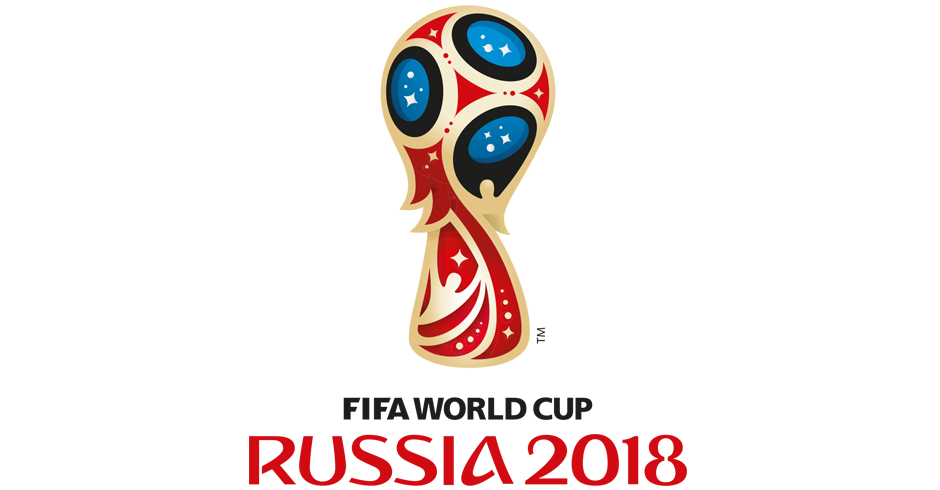
Fifa World Cup 2018 in Russia.
Russia hosted the 2018 FIFA World Cup from June 14 to July 15, 2018. For the second time, France emerged victorious in the competition.
An elaborate insignia that combined football, space, and prize design symbolized the nation’s history and character.
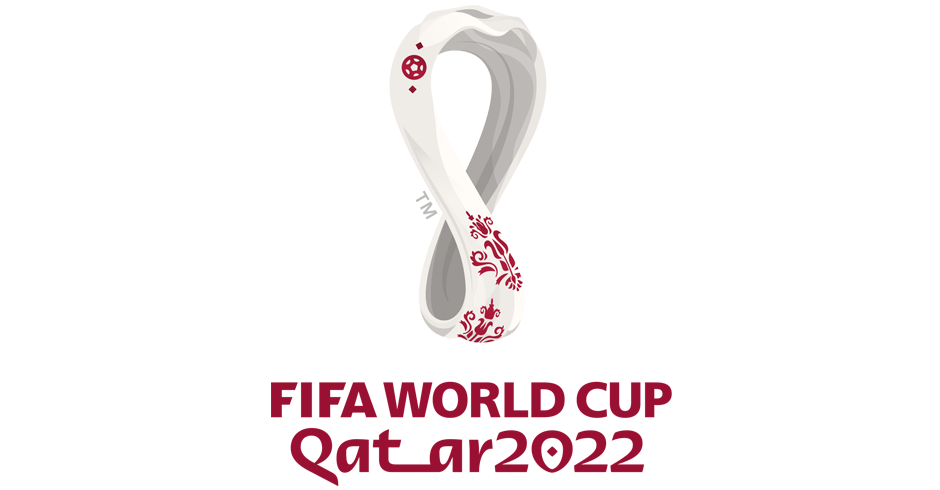
From November 20 to December 18, 2022, Qatar hosted the FIFA World Cup. Argentina emerged victorious for the third time.
The insignia alludes to the trophy and an infinite symbol in a blend of culture and continuity, drawing inspiration from desert sands and traditional fabrics (shawl shapes). The Middle East hosted its first World Cup.
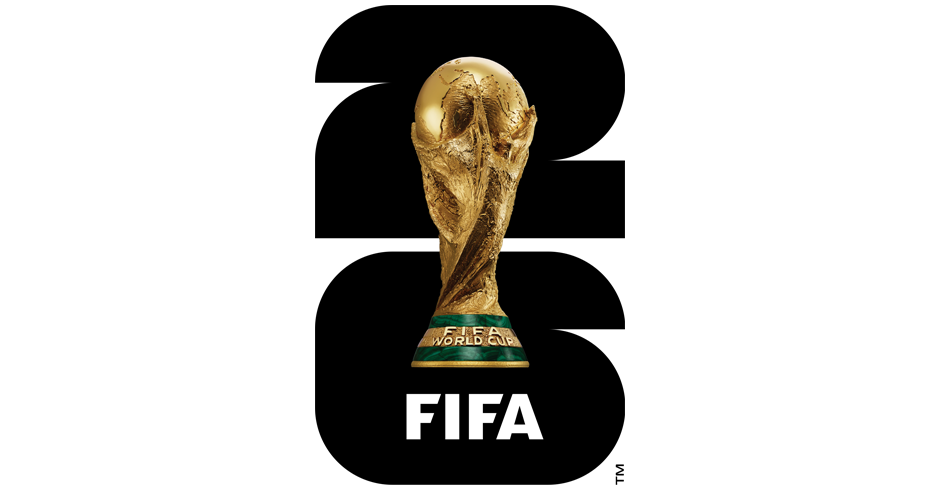
Fifa World Cup 2026 in America(Mexico, Canada & USA).
From June 11 to July 19, 2026, Canada, Mexico, and the United States will host the 2026 World Cup. This event’s logo design, which debuted in May 2023, is the first to incorporate photography.
According to reports, this design will be utilized for every event going forward, with the exception of the date. The FIFA emblem and trophy will stay on all subsequent designs, and the host country will add their national flag or coloring using the date’s letterforms. The following examples show how one of the 2026 host cities has been highlighted.
2026: Mexico, Canada, and the United States
It is planned to be the first World Cup to be hosted by three countries.
48 teams compete in an expanded tournament.
The World Cup Trophy and tournament year are included in the official symbol.
The World Cup’s Most Successful Nations:
Brazil: five titles
Germany: four titles
Italy: four victories
Argentina: three championships
France: two victories
Uruguay: two championships
England : 1 title
Spain: 1 victory
In conclusion
The FIFA World Cup, which began in Uruguay in 1930 and will be held in the United States, Canada, and Mexico in 2026, has developed into a worldwide festival of football. Along with the memorable games and winners, World Cup branding is a significant aspect of football history since each tournament’s logo or poster represents the culture, inventiveness, and identity of its host country.