By Sinclair Amani ; Luminous writer.
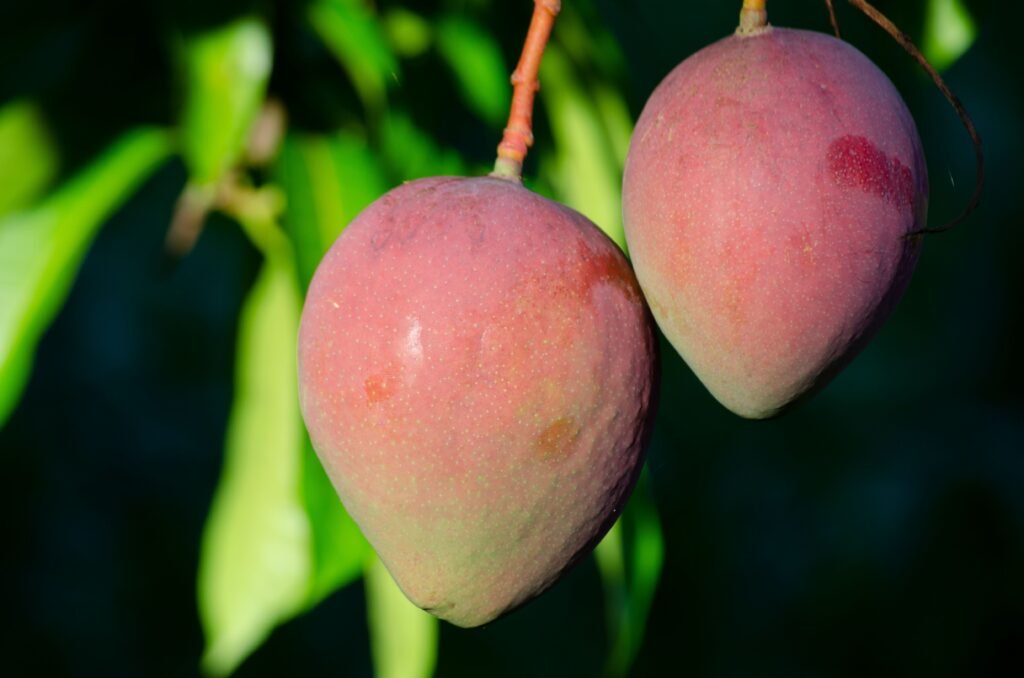
Growing Modern Mangoes ; is one of the most profitable fruit enterprises in tropical and subtropical regions. Improved mango varieties produce high yields, better quality fruits, and mature earlier than traditional mango trees. Successful mango production requires proper planting, grafting, fertilization, pruning, pest control, and orchard management.
1. Mango Planting Manual and Spacing
Site Selection
Mangoes grow best in:
- Warm climates with temperatures between 24°C and 30°C.
- Areas receiving 750–2,500 mm of rainfall annually.
- Well-drained soils.
- Full sunlight exposure.
- Slightly acidic to neutral soil (pH 5.5–7.5).
Recommended Spacing
The spacing depends on the variety and management system.
| Planting System | Spacing |
|---|---|
| Traditional System | 10m × 10m |
| Medium Density | 8m × 8m |
| High Density | 5m × 5m |
| Ultra High Density | 3m × 2m |
For most farmers, an 8m × 8m spacing is recommended because it provides adequate sunlight, air circulation, and room for tree growth.
Planting Holes
- Dig holes measuring 60 cm × 60 cm × 60 cm.
- Separate topsoil from subsoil.
- Mix topsoil with:
- 20–30 kg of well-rotted manure.
- 200 g of phosphate fertilizer.
- Refill the hole two weeks before planting.
Planting Procedure
- Plant at the beginning of the rainy season.
- Remove the seedling from the container carefully.
- Place the seedling upright in the hole.
- Fill with soil and press gently.
- Water immediately after planting.
- Mulch around the tree but keep mulch away from the stem.
2. Mango Grafting Manual(growing modern mangoes).
Grafting is the process of joining a desired mango variety (scion) to a healthy rootstock.
Importance of Grafting
- Early fruit production.
- Uniform orchard.
- Better fruit quality.
- Disease resistance.
- Higher yields.
Materials Required
- Healthy rootstock seedlings.
- Mature scion sticks.
- Sharp grafting knife.
- Grafting tape.
- Polythene wrapping material.
Steps in Mango Grafting
- Select healthy rootstocks aged 6–12 months.
- Choose disease-free scion wood from a productive mother tree.
- Make clean cuts on both rootstock and scion.
- Join the cambium layers carefully.
- Wrap tightly with grafting tape.
- Cover to prevent moisture loss.
- Keep under shade until successful union occurs.
Signs of Successful Grafting
- Bud swelling after 2–4 weeks.
- Emergence of new leaves.
- Healthy green scion growth.
3. Soil Requirements and Planting(growing modern mangoes).
Ideal Soil Characteristics
- Deep soils of at least 1 meter.
- Well-drained sandy loam or loam soils.
- Rich in organic matter.
- Good moisture retention.
Soil Preparation
- Conduct soil testing before planting.
- Apply organic manure annually.
- Improve drainage in waterlogged areas.
- Use cover crops to reduce erosion.
4. Fertilizer Application and Tree Care
Young Trees (1–3 Years)
Apply:
- 20–30 kg farmyard manure annually.
- NPK fertilizer in split applications.
Mature Trees (4 Years and Above)
Apply:
- 40–60 kg well-rotted manure per tree annually.
- Nitrogen fertilizer after harvest.
- Phosphorus and potassium before flowering.
Watering
- Water young trees regularly.
- Reduce irrigation during flowering.
- Increase watering during fruit development.
Mulching
Benefits:
- Conserves moisture.
- Controls weeds.
- Improves soil fertility.
- Reduces soil temperature fluctuations.
Suitable mulching materials:
- Dry grass.
- Crop residues.
- Banana leaves.
- Compost.
5. Pruning and Training(growing modern mangoes)
Pruning is essential for maintaining healthy and productive mango trees.
Objectives of Pruning
- Improve sunlight penetration.
- Enhance air circulation.
- Remove diseased branches.
- Facilitate harvesting.
- Increase fruit quality.
Training Young Trees
- Allow a single main stem to grow.
- Select 3–4 strong branches at different directions.
- Remove weak shoots.
- Develop a balanced canopy.
Maintenance Pruning
Remove:
- Dead branches.
- Diseased branches.
- Crossing branches.
- Water sprouts.
- Excessive vegetative growth.
Rejuvenation Pruning
Old trees can be rejuvenated by:
- Cutting back unproductive branches.
- Encouraging new shoots.
- Reshaping the canopy.
6. Major Mango Pests
Fruit Flies
Symptoms:
- Small punctures on fruits.
- Premature fruit drop.
- Maggots inside fruits.
Control:
- Field sanitation.
- Fruit fly traps.
- Protein bait sprays.
Mango Mealybugs
Symptoms:
- White cotton-like masses.
- Stunted growth.
- Leaf curling.
Control:
- Pruning affected branches.
- Recommended insecticides.
- Natural predators.
Mango Seed Weevil
Symptoms:
- Damaged seeds.
- Reduced fruit quality.
Control:
- Orchard sanitation.
- Collection and destruction of infested fruits.
Scale Insects
Symptoms:
- Sticky honeydew.
- Sooty mold development.
Control:
- Horticultural oils.
- Biological control agents.
7. Major Mango Diseases
Anthracnose
Symptoms:
- Black spots on leaves and fruits.
- Flower blight.
- Fruit rot.
Control:
- Copper-based fungicides.
- Proper pruning.
- Good orchard hygiene.
Powdery Mildew
Symptoms:
- White powdery growth.
- Flower drop.
- Poor fruit set.
Control:
- Sulfur fungicides.
- Proper air circulation.
Dieback Disease
Symptoms:
- Drying branches.
- Reduced growth.
Control:
- Remove infected branches.
- Apply fungicides.
- Maintain tree vigor.
Bacterial Black Spot
Symptoms:
- Dark lesions on fruits and leaves.
Control:
- Disease-free planting materials.
- Copper sprays.
- Proper sanitation.
8. Best Methods for Grafting Mangoes in the world.
Veneer Grafting (Most Recommended)
Advantages:
- High success rate.
- Easy to perform.
- Suitable for commercial nurseries.
Procedure:
- Make a downward cut on the rootstock.
- Prepare a matching scion.
- Join the two pieces.
- Wrap tightly with grafting tape.
- Cover until union occurs.
Cleft Grafting
Advantages:
- Simple method.
- Suitable for top-working older trees.
Side Grafting
Advantages:
- High success rate.
- Strong graft union.
Epicotyl Grafting
Advantages:
- Fast multiplication.
- Commonly used in commercial nurseries.
Softwood Grafting
Advantages:
- Produces vigorous plants.
- Widely adopted by professional growers.
Best Overall Method
For most farmers and nursery operators, veneer grafting is considered the best method because it combines high success rates, strong graft unions, rapid establishment, and uniform plant production.
Types of Mangoes Grown Around the World.
Mangoes are generally classified into local, improved, and commercial varieties. The following are some of the most popular mango varieties grown in tropical and subtropical regions:
1. Apple Mango


- Medium-sized fruit with a round shape.
- Sweet, juicy flesh with little fiber.
- Attractive red and yellow skin when ripe.
- Popular in East Africa due to its high market demand
2. Tommy Atkins Mango


- Large fruit with red, green, and yellow skin.
- Firm flesh and long shelf life.
- Resistant to handling damage during transport.
- Commonly grown for export markets.
3. Kent Mango


- Large fruit with juicy, sweet flesh.
- Low fiber content.
- Excellent for fresh consumption and juice processing.
- Matures late in the season.
4. Keitt Mango
- Large green fruit that remains mostly green even when ripe.
- Sweet and juicy flesh.
- High yield and good disease resistance.
- Suitable for commercial farming.
5. Haden Mango
- One of the oldest commercial mango varieties.
- Bright red and yellow skin.
- Rich flavor and pleasant aroma.
- Parent variety of many modern mango cultivars.
6. Ngowe Mango
- Popular in East Africa.
- Oval-shaped fruit with a distinctive beak.
- Sweet flesh with moderate fiber.
- Performs well in warm climates.
7. Palmer Mango
- Large fruit with reddish-purple skin.
- Good shelf life and transport quality.
- Sweet, aromatic flesh.
8. Valencia Pride Mango
- Very large fruits.
- Fast-growing and vigorous trees.
- Excellent flavor and attractive appearance.
- Suitable for commercial orchards.
9. Kensington Pride Mango
- Popular in Australia.
- Sweet flesh with a strong mango aroma.
- Medium-sized fruit with low fiber content.
10. Local/Traditional Mangoes
- Adapted to local environmental conditions.
- Often more tolerant to pests and drought.
- Fruits vary in size, color, and taste.
- Commonly grown in homesteads and small farms.
Best Mango Varieties for Commercial Farming.
For farmers targeting high yields and good market prices, the recommended varieties are:
- Apple Mango
- Kent Mango
- Keitt Mango
- Tommy Atkins Mango
- Ngowe Mango
- Alfonso
- Bire
- Kate
- Zillate
- Ssejjembe.
These varieties produce high-quality fruits, have strong market demand, and are suitable for both local and export markets.
Characteristics of a Good Commercial Mango Variety
- High yield potential.
- Sweet taste and attractive color.
- Resistance to pests and diseases.
- Long shelf life.
- Good transportability.
- Strong market demand.
For a modern mango orchard, farmers often combine Apple, Kent, and Keitt varieties to extend the harvesting season and improve profitability.
Conclusion
Successful growing modern mangoes begins with selecting quality grafted seedlings, proper spacing, fertile and well-drained soils, regular fertilization, pruning, irrigation, and effective pest and disease management. Farmers who adopt modern orchard practices and use superior grafted varieties can achieve high yields, better fruit quality, and increased profitability for many years.