By Sinclair Amani ; Luminous writer.
Google Pay : In today’s fast-paced digital economy, the way people handle money has changed dramatically. Cash is no longer king in many parts of the world, and even traditional bank cards are gradually being replaced by smarter, faster, and more convenient alternatives. At the forefront of this transformation is Google Pay—a powerful digital wallet that enables users to make payments quickly, securely, and effortlessly across the globe
From buying groceries in a local shop to paying for online subscriptions, sending money to friends, or even managing finances, Google Pay has become an essential tool in modern financial life. This article explores how Google Pay works, its features, security systems, global impact, and why it continues to shape the future of digital payments.
The Evolution of Digital Payments(Google Pay).
Before the rise of mobile wallets, people relied heavily on cash and physical cards. While these methods were functional, they often lacked speed, flexibility, and sometimes security. The emergence of smartphones, internet connectivity, and financial technology (fintech) innovations changed everything.
It was introduced as part of this digital revolution, combining earlier services like Android Pay and Google Wallet into a unified platform. Today, it serves millions of users worldwide by offering a seamless way to store cards, make payments, and manage transactions in one place.
What Is Google Pay and How Does It Work?
It is a mobile payment and digital wallet platform developed by Google. It allows users to store debit cards, credit cards, loyalty cards, and even transit passes on their smartphones.
Key Functions:
Contactless Payments: Users can tap their phones at payment terminals using Near Field Communication (NFC).
Online Payments: Fast checkout on websites and apps without entering card details repeatedly.
Peer-to-Peer Transfers: Send and receive money instantly.
Bill Payments: Pay utilities, subscriptions, and services.
When a user initiates a transaction, it does not share the actual card number. Instead, it uses a secure digital token to complete the payment, ensuring safety and privacy.
Seamless User Experience.
One of Google Pay’s biggest strengths is its simplicity. The app is designed to be intuitive, making it accessible even to users who are not tech-savvy.
Ease of Setup
Getting started is straightforward:
Download the app.
Sign in with a Google account.
Add a debit or credit card.
Verify the card.
Once set up, payments can be made in seconds—no need to carry cash or cards.
Speed and Convenience
Google Pay significantly reduces checkout time. Whether you are shopping online or in-store, transactions are completed quickly, often with just a tap or a click.
The platform also integrates with millions of cards stored in Google accounts globally, making online checkout faster and more efficient.
Advanced Security Features.
Security is a top priority for any financial platform, and Google Pay incorporates multiple layers of protection to safeguard users’ data and transactions.
1. Tokenization Technology
Google Pay uses tokenization, meaning your actual card number is never shared with merchants. Instead, a virtual account number is used during transactions.
This ensures that even if transaction data is intercepted, it cannot be used fraudulently.
2. Encryption and Secure Storage
All payment data is encrypted and securely stored within your Google account.
This prevents unauthorized access and protects sensitive financial information.
3. Device Authentication
Before completing a payment, users must verify their identity using:
PIN
Password
Fingerprint
Facial recognition
This adds an extra layer of security and ensures only the authorized user can make transactions
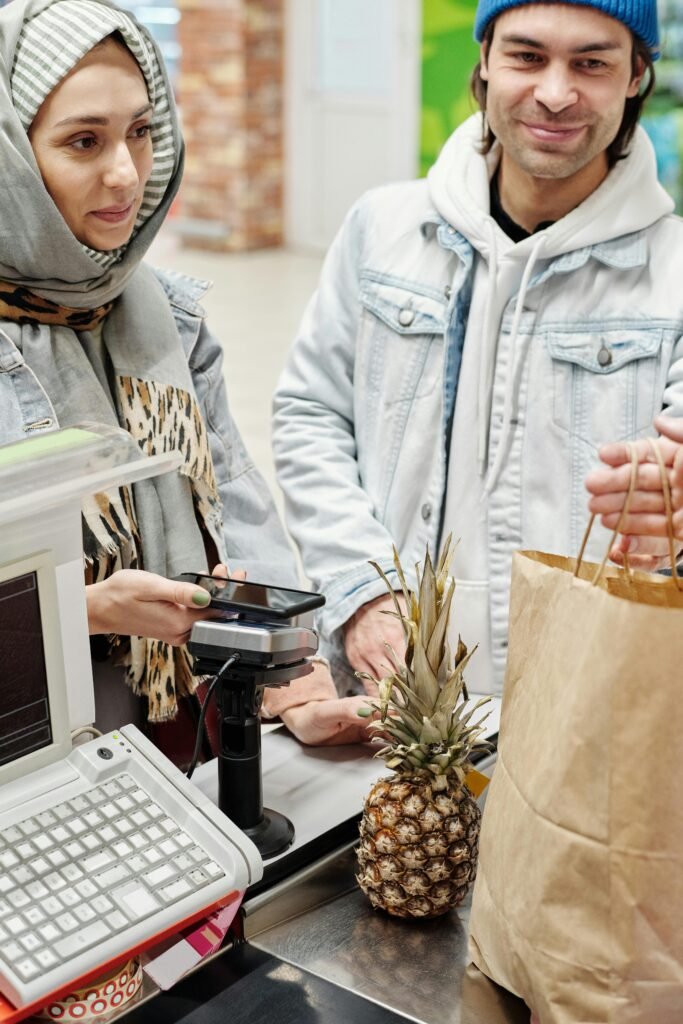
Below ; there’s a couple making a payment in the Supermarket using a Google Pay.
4. Fraud Detection and Alerts
Google Pay uses advanced systems to detect suspicious activity. If a transaction appears unusual, users receive alerts, allowing them to take action immediately.
5. Remote Device Protection
If your phone is lost or stolen, you can use Google’s security tools to lock or erase your device remotely, protecting your payment data.
Global Reach and Accessibility(Google Pay).
Google Pay is used in many countries worldwide, making it a truly global payment solution. Its ability to adapt to different financial systems—such as card-based payments and bank transfers—has contributed to its widespread adoption.
In regions like Asia, it supports real-time bank transfers, while in Western countries, it integrates with traditional banking systems and contactless payment networks.
This flexibility allows users to:
Pay internationally
Send money across borders
Access local and global services seamlessly
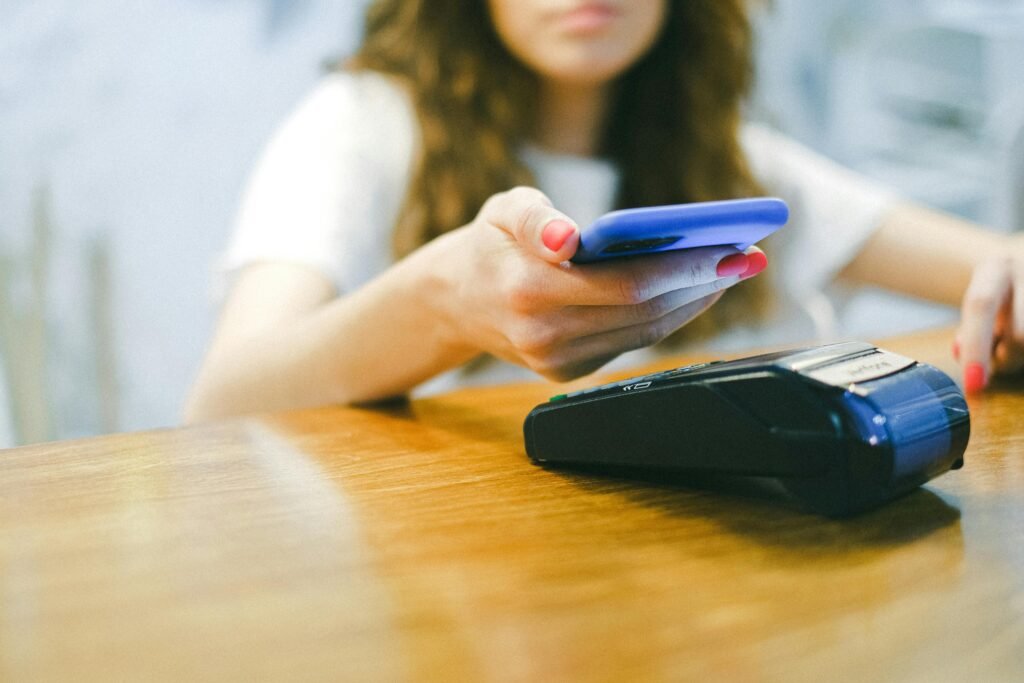
Below ; there’s a woman showing on how to make a payment using Google Pay.
Benefits of Using Google Pay
1. Convenience
Everything you need—cards, tickets, and payment methods—is stored in one place. No more carrying bulky wallets.
2. Speed
Transactions take seconds, improving efficiency for both customers and businesses.
3. Security
With encryption, tokenization, and authentication, Google Pay provides strong protection against fraud.
4. Transparency
Users can easily track their spending and view transaction history within the app.
5. Integration with Google Ecosystem
It works smoothly with other Google services, enhancing usability and convenience.
Google Pay for Businesses
It is not just beneficial for consumers—it also offers significant advantages for businesses.
Faster Checkouts
Businesses can reduce cart abandonment rates by offering quick and easy payment options.
Increased Customer Trust
Customers are more likely to complete purchases when they feel their payment information is secure.
Easy Integration
The Google Pay API allows businesses to integrate the payment system into websites and apps with minimal effort.
The Role of NFC Technology
One of the core technologies behind it, is Near Field Communication (NFC). This allows devices to communicate securely when placed close together.
NFC ensures:
Fast transactions
Minimal risk of interception
Easy tap-to-pay functionality
Because NFC works only at very short distances, it adds an extra layer of security to contactless payments.
Challenges and Limitations
Despite its many advantages, Google Pay is not without challenges.
1. Device Compatibility
Not all smartphones support it, especially older models.
2. Internet Dependency
Some features require internet connectivity, which may be limited in certain regions.
3. Security Awareness
While the platform is secure, users must still be cautious about scams, phishing attempts, and sharing sensitive information.
4. Regional Availability
Certain features may not be available in all countries, depending on local banking infrastructure.
The Future of Google Pay
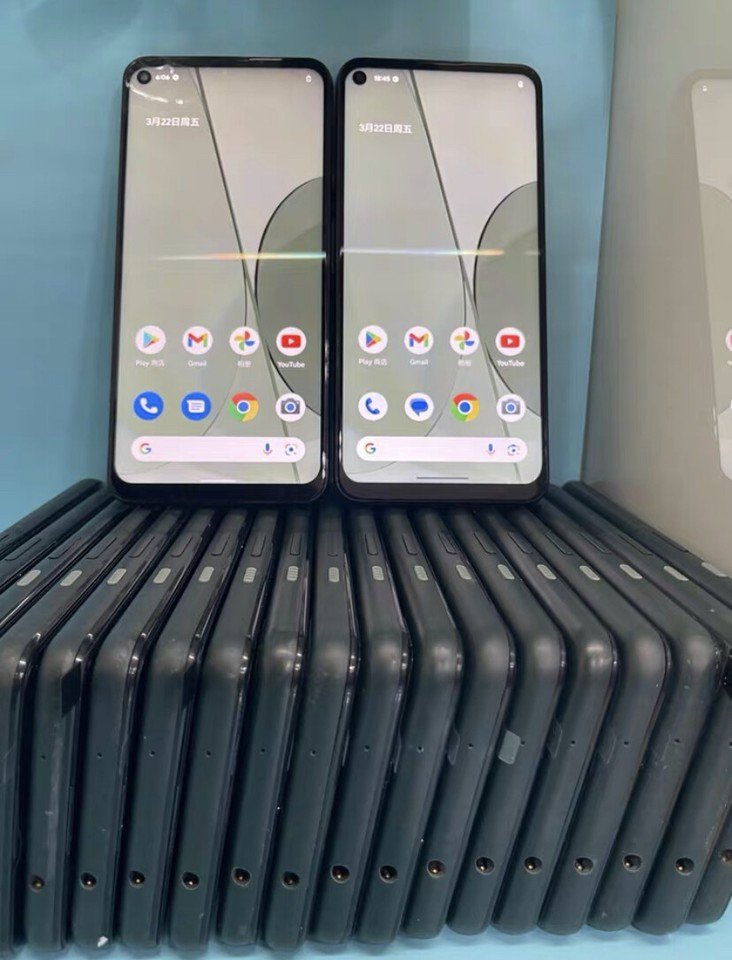
The future looks promising as digital payments continue to grow. Innovations in artificial intelligence, blockchain, and financial technology are expected to enhance its capabilities further. To experience the use of Google Pay ; buy other google services on Amazon platform here. One of the Google items you can buy to test the use of Google Pay . These are the details of an item to buy ;
Google Pixel 7 128GB 5G Smartphone – Unlocked for All Carriers – US Version – (Obsidian);
| Resolution | 2400 x 1080 |
| Other camera features | Front, Rear |
| Battery Life | 24 Hours |
| Brand | |
| Cellular Technology | 5G |
| Screen Size | 6.3 Inches |
| Color | Black |
| Manufacturer | |
| Front Photo Sensor Resolution | 8 MP |
| Battery Description | Lithium-Ion |
Google Pixel C 10.2-in HD Touchscreen Tablet 64GB Premium High Performance Tegra X1 with Maxwell GPU | 3GB RAM | Android 6.0 Marshmallow | Silver – Aluminum
| Brand | |
| Model Name | Pixel C |
| Memory Storage Capacity | 64 GB |
| Screen Size | 10.2 Inches |
| Display Resolution Maximum | 2560 x 1800 |
About this item
- 2560×1800 resolution
- 64gb storage
- Usb c charging
- Android marshmallow
| Memory Storage Capacity | 64 GB |
|---|---|
| RAM Memory Installed | 64 GB |
| Memory Slots Available | 1 |
| Battery Cell Type | Lithium Ion |
|---|
| Processor Speed | 1.9 GHz |
|---|---|
| Processor Description | ARM Cortex |
| Processor Brand | ARM |
| CPU Model Number | Pixel C – 64GB |
| Other Special Features of the Product | Fast Charging |
|---|---|
| Sensor Type | Ambient Light Sensor |
| Supported Audio Format | MP3, AAC, FLAC |
|---|
Emerging Trends:
Digital IDs: Integration of identification documents into digital wallets.
AI-Powered Fraud Detection: Smarter systems to detect and prevent scams.
Expanded Global Access: Increased availability in developing regions.
Contactless Everything: Payments, tickets, and identification in one platform.
As technology evolves, it is likely to become even more integrated into everyday life.
Google Pay vs Traditional Payment Methods
| Feature | Google Pay | Traditional Cards/Cash |
|---|---|---|
| Speed | Instant | Slower |
| Security | High (tokenization, encryption) | Moderate |
| Convenience | Very high | Limited |
| Accessibility | Smartphone-based | Physical presence required |
| Tracking | Easy digital tracking | Manual tracking |
This comparison highlights why more people are shifting toward digital wallets. Discover more about other google services here
Why Google Pay Stands Out
Among many digital payment platforms, it stands out due to its:
Strong security infrastructure
Seamless user experience
Global integration
Backing by a trusted technology company
It combines convenience with cutting-edge technology, making it a preferred choice for millions.
Conclusion
It represents the future of financial transactions—smart, secure, and seamless. By eliminating the need for physical cash and cards, it simplifies everyday payments while ensuring high levels of security and efficiency.
As the world continues to move toward a cashless economy, platforms like Google Pay will play a crucial role in shaping how people interact with money. Whether you are a consumer looking for convenience or a business aiming to improve customer experience, it offers a reliable and innovative solution.
In a world where speed and security matter more than ever, it is not just a payment method—it is a gateway to the future of finance
References;
- Google. “Google Pay: Pay the Google Way.” Google Pay.
- Google. “Google Pay Safety & Security Features.” Google Safety Center.
- Google. “How Google Pay Keeps Your Info Private.” Google Pay Help.
- Google. “Protect Against Fraud, Phishing & Spoofing.” Google Pay Help.
- Google. “Google Pay API.” Google for Developers.
- Federal Trade Commission. “Mobile Payment Apps: How To Avoid a Scam When You Use One.” Consumer Advice.