By Milton Gubaza ; Luminous writer.
CAF Delegation from the Confédération Africaine de Football (CAF) will be in Uganda on Tuesday for a crucial strategic engagement with the three PAMOJA Host Nations of the TotalEnergies CAF Africa Cup of Nations 2027, Kenya, Tanzania and Uganda.
A Confederation of African Football (CAF) delegation is an official team of representatives appointed to carry out key assignments on behalf of African football’s governing body. These delegations typically include senior CAF officials, technical experts, infrastructure specialists, and event organizers who travel to member countries to oversee, assess, and support football development and major tournament preparations.
In the context of the TotalEnergies CAF Africa Cup of Nations 2027, CAF delegations play a crucial role in ensuring that host nations meet the required standards for staging Africa’s biggest football competition. When visiting co-host countries like Uganda, Kenya, and Tanzania, the delegation conducts inspections of stadiums, training facilities, hotels, transport systems, and security arrangements.
Beyond inspections, the CAF delegation also engages in high-level meetings with government officials, local organizing committees, and football federations. These discussions focus on timelines, infrastructure upgrades, funding strategies, and operational readiness. The goal is to ensure smooth coordination among all stakeholders ahead of the tournament.
CAF delegations are also responsible for providing technical guidance and recommendations. If gaps are identified—such as incomplete stadium works or logistical challenges—the delegation advises on improvements and sets deadlines to ensure compliance with CAF standards.
Ultimately, a CAF delegation serves as both a supervisory and supportive body. It ensures accountability while also helping host nations successfully prepare for major tournaments like AFCON 2027. Their visits are a key step in turning plans into reality and guaranteeing that the competition meets international expectations
CAF Delegation and the three host nations will provide an update on delivery goals for the next round of competition preparations during the two-day conference in Kampala on April 22–23.
Acting CAF General Secretary Samson Adamu, representatives from the governments of the three host countries, the presidents of the three Member Associations, and senior CAF administration from a variety of functional areas, including competitions, commercial, broadcasting, safety and security, finance, and others, will all be present at the meeting.
Safety and security, infrastructure, procurement, finance, media, ticketing, and commercial operations are among the crucial functional areas that will be the focus of this significant step in the coordinated planning process.
As preparations pick up speed, this kick-off meeting demonstrates the three PAMOJA Host Nations’ and CAF’s shared resolve to collaborate closely and with a distinct goal.
CAF is still dedicated to helping the host countries develop effective coordination systems and operational preparedness in all key areas of tournament delivery.
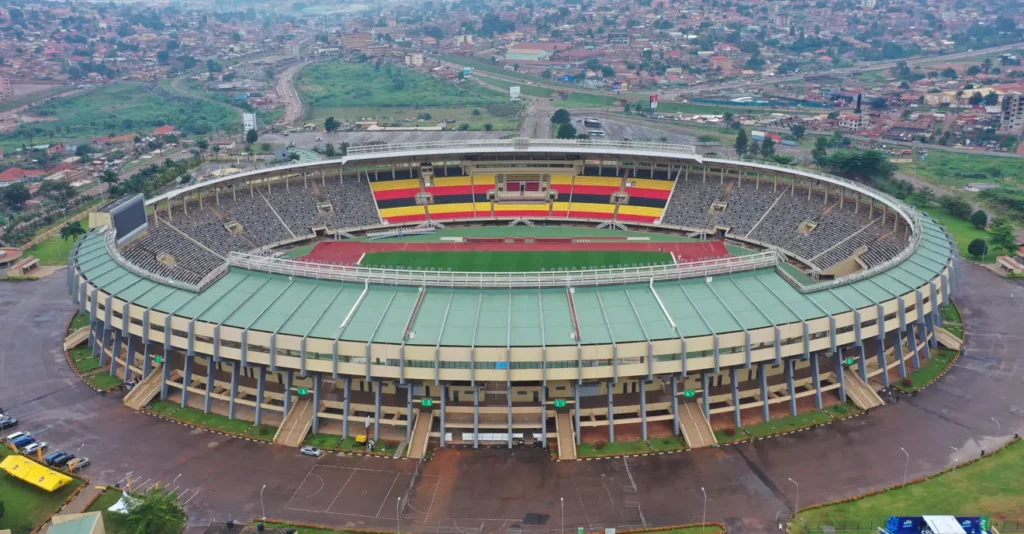
Above ; One of the National stadium called Nambole Stadium in Kampala , Uganda still under renovation in preparation to host AFCON 2027.
CAF Delegation
Note to Editors: On Wednesday, April 22, and Thursday, April 23, media will have the chance to participate in a Mixed Zone.
The TotalEnergies CAF Africa Cup of Nations 2027 (AFCON 2027) is set to make history as the first edition of Africa’s biggest football tournament to be co-hosted by three East African nations—Kenya, Tanzania, and Uganda. Branded “PAMOJA 2027”—a Swahili word meaning “together”—the tournament reflects unity, regional cooperation, and a shared vision for football development across East Africa
Organized by the Confederation of African Football (CAF) and sponsored by TotalEnergies, AFCON 2027 will bring together the continent’s top national teams in a celebration of talent, culture, and competition. The tournament is expected to feature 24 teams, continuing the expanded format introduced in recent editions, with matches spread across multiple modern stadiums in the three host countries. You can explore more about the event here.
PAMOJA 2027 represents more than just football. It is a major opportunity for East Africa to showcase its infrastructure, tourism, and economic potential on a global stage. Preparations include upgrading stadiums, improving transport networks, and enhancing hospitality services to meet international standards. Key venues are expected in major cities like Nairobi, Dar es Salaam, and Kampala
The joint hosting model promotes regional integration and collaboration, marking a significant milestone for East African football. It also gives local players and fans a rare chance to experience elite continental football on home soil, inspiring the next generation of talent.
With anticipation already building, TotalEnergies AFCON 2027 – PAMOJA is poised to deliver unforgettable moments, strengthen regional ties, and elevate Africa’s football profile on the world stage.
Uganda is actively preparing to co-host the TotalEnergies CAF Africa Cup of Nations 2027 under the historic PAMOJA (together) partnership with Kenya and Tanzania. The country’s preparations are wide-ranging, focusing on infrastructure, organization, and regional coordination to meet the standards set by the Confederation of African Football.
Stadium Construction and Upgrades.
Uganda is investing heavily in upgrading and building stadiums to meet CAF’s strict requirements. Key venues include:
- Mandela National Stadium in Kampala (under renovation)
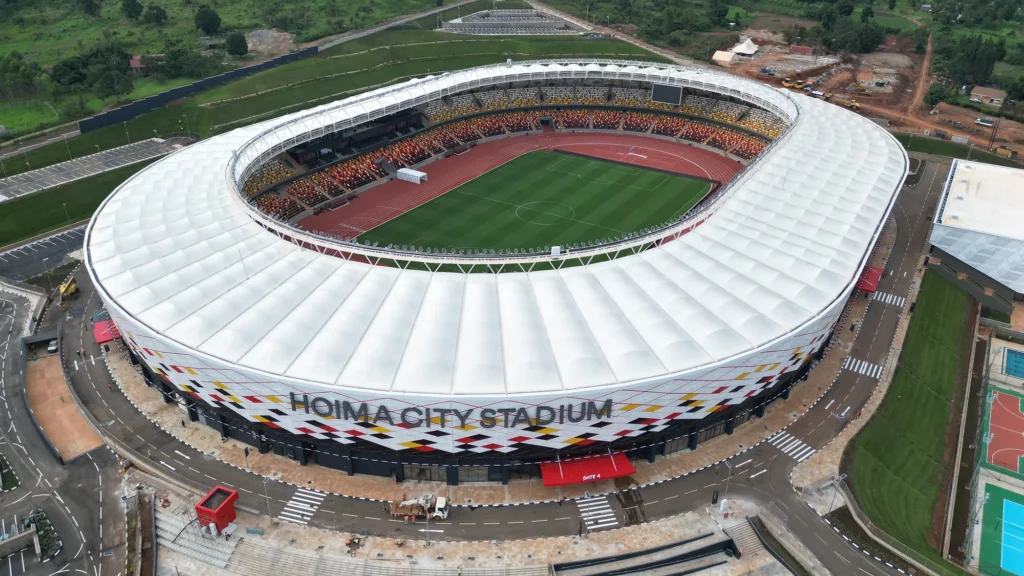
- Hoima Stadium (a major new construction project)
- Akii Bua Stadium (planned upgrade)
However, recent inspections revealed that many facilities are still in a construction and upgrading phase, meaning more work is required to meet CAF Category 4 standards.
Addressing Infrastructure Gaps(Caf Delegation).
CAF assessments have highlighted gaps in stadium readiness, safety systems, and supporting infrastructure. Ugandan authorities have acknowledged these challenges and are:
- Accelerating construction timelines
- Working with international contractors
- Improving training facilities and accommodation
The government has committed to fixing these issues before the next major CAF inspection scheduled later in 2026.
Hosting CAF Delegations and Strategic Meetings
Uganda is playing a central coordination role by hosting high-level CAF meetings in Kampala. These meetings bring together:
- Government officials
- Football federation leaders
- CAF technical experts
The sessions are used to review progress, align priorities, and plan the next phase of preparations for AFCON 2027.
Regional Collaboration (PAMOJA Spirit)
As part of the PAMOJA initiative, Uganda is working closely with Kenya and Tanzania to ensure:
- Shared standards across all host venues
- Smooth cross-border logistics
- Coordinated security and transport systems
This joint hosting model is the first of its kind in AFCON history, requiring strong cooperation between the three nations.
Test Events and Readiness Strategy(Caf Delegation)
Uganda has already participated in joint regional tournaments like the African Nations Championship (CHAN) under the PAMOJA branding. These events serve as:
- Test runs for stadiums and logistics
- Opportunities to evaluate crowd management and operations
- Platforms to improve coordination before AFCON 2027
Race Against Time
With the tournament scheduled between June and July 2027, Uganda is in a critical preparation phase. CAF delegations continue to monitor progress closely, and upcoming inspections will determine whether the country—and the region—meets the required standards
Final thoughts about Uganda co-hosting.
Uganda’s preparation for AFCON 2027 is ambitious and transformative. While challenges remain—especially in infrastructure—the country is making steady progress through investment, regional cooperation, and close collaboration with CAF. If timelines are met, Uganda is set to play a key role in delivering one of Africa’s most historic football tournaments.
Kenya is making significant—but challenging—progress in its preparations to co-host the TotalEnergies CAF Africa Cup of Nations 2027 alongside Uganda and Tanzania. The country’s readiness reflects both strong commitment and urgent areas that still need improvement.
Stadium Development and Upgrades
Kenya’s preparations are centered on upgrading and constructing major stadiums, especially in Nairobi. Key venues include:
- Moi International Sports Centre (Kasarani)
- Nyayo National Stadium
- Talanta Sports Complex (new flagship stadium)
These facilities are at different stages of renovation and construction, forming the backbone of Kenya’s hosting plan. However, recent inspections by the Confederation of African Football revealed that none of the stadiums yet meet the required CAF Category 4 standards as of early 2026.
Infrastructure and Compliance Efforts
Kenya’s infrastructure program is currently in what CAF describes as a “mixed phase of construction, upgrading, and operational adjustments.”
To address this, the government is:
- Accelerating stadium renovations and new builds
- Upgrading training facilities and match-day systems
- Improving safety, security, and operational standards
Authorities have also set strict timelines to meet CAF requirements before the next inspection milestones.
Financial Commitment and Organization(Caf Delegation).
Kenya has demonstrated strong financial and institutional commitment by:
- Paying the required $30 million hosting fee to CAF
- Establishing a multi-agency local organizing committee involving both public and private sectors
This coordinated approach is designed to strengthen planning, logistics, and delivery of the tournament.
Preparations Impacting Local Football(Caf Delegation).
To fast-track readiness:
- Several stadiums have been temporarily closed for upgrades
- Domestic matches are being disrupted to allow renovation works
These measures highlight the seriousness of preparations, even though they come with short-term challenges for local football.
Challenges and Pressure to Deliver
Despite progress, Kenya faces intense pressure:
- CAF inspections have flagged major gaps in stadium readiness
- Construction timelines are tight, with deadlines approaching
- The country must demonstrate significant improvements in upcoming inspections
Overall, Kenya is in a race against time to meet international standards before 2027.
Role in the PAMOJA Partnership
As part of the PAMOJA (together) hosting model, Kenya is working closely with Uganda and Tanzania to ensure:
- Harmonized infrastructure standards
- Efficient cross-border transport and logistics
- Coordinated event planning and security
This collaboration is central to delivering a successful tournament across East Africa.
Final thoughts about Kenya Co-hosting Afcon 2027.
Kenya’s preparation for AFCON 2027 is ambitious and well-supported financially and institutionally. However, the country still faces significant infrastructure challenges, particularly in stadium readiness. With continued investment, strict timelines, and close collaboration with CAF, Kenya has the potential to be fully prepared—but the coming months will be critical in determining its success.
Stadium Development and Modernization(Caf Delegation).
Tanzania’s preparations are heavily centered on building and upgrading world-class stadiums:
- Benjamin Mkapa Stadium – the country’s flagship venue, already one of the best in East Africa, is undergoing upgrades, including pitch reconstruction and improved lighting to meet CAF requirements.
- Samia Suluhu Hassan Stadium – a newly constructed 30,000-seat stadium in Arusha, specifically built for AFCON 2027.
- Dodoma Stadium – another major project under construction, expected to strengthen Tanzania’s hosting capacity.
These projects highlight Tanzania’s commitment to delivering modern, CAF-compliant venues for the tournament.
Infrastructure and Facility Improvements
Beyond stadiums, Tanzania is improving key supporting infrastructure such as:
- Training grounds and practice facilities
- Transport networks between host cities
- Hospitality and accommodation for teams and fans
CAF inspection teams have already visited cities like Dar es Salaam, Arusha, and Zanzibar to assess readiness and ensure facilities meet international standards.
CAF Inspections and Technical Guidance
Tanzania has been actively hosting CAF inspection teams, which evaluate:
- Stadium quality and pitch conditions
- Safety and security systems
- Infrastructure readiness and logistics
These inspections are part of CAF’s effort to enforce world-class standards and ensure that all host nations are fully prepared for the tournament.
Regional Cooperation under PAMOJA(Caf Delegation).
Tanzania’s preparations are closely aligned with its co-hosts through the PAMOJA framework. This collaboration ensures:
- Harmonized infrastructure standards
- Coordinated transport and border logistics
- Unified security and event management systems
The joint hosting model is a historic first for East Africa and reflects strong regional unity.
Challenges and Areas of Improvement
Despite significant progress, Tanzania still faces some challenges:
- Upgrading existing stadiums to meet CAF Category 4 standards
- Enhancing lighting and broadcast infrastructure
- Completing ongoing construction projects on schedule
CAF has emphasized the need for continued improvements, especially at key venues like Benjamin Mkapa Stadium.
Final thoughts about Tanzania co-hosting Afcon 2027.
Tanzania is making solid progress in preparing for AFCON 2027, with major investments in stadium construction and infrastructure development. While some challenges remain, ongoing CAF inspections, government commitment, and regional cooperation under the PAMOJA initiative place the country on a strong path toward successfully hosting one of Africa’s biggest football tournaments.